
August 19, 20267 min read
The Best Flowers for Pressing (and a Few to Avoid)
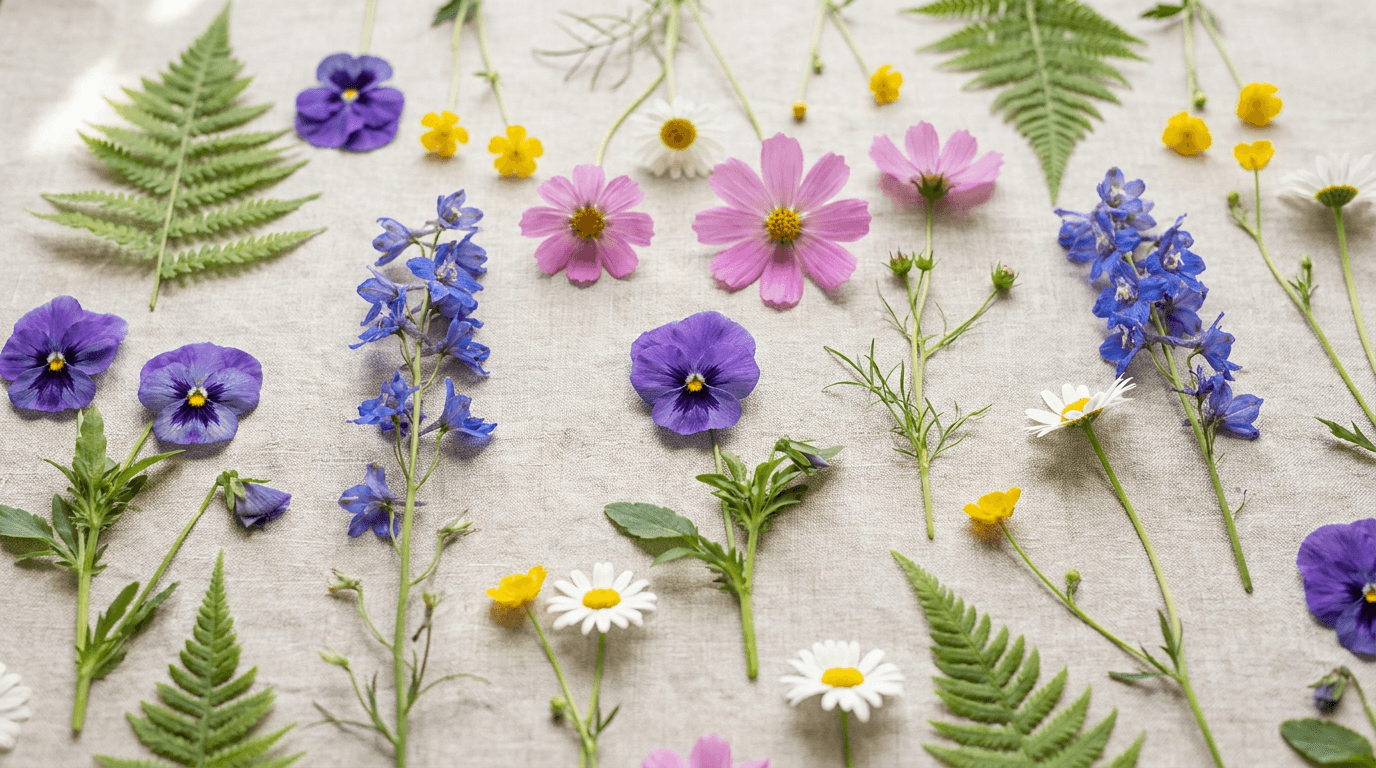
Almost any flower will flatten under a heavy book. The question isn't whether it presses — it's whether it still looks like something you'd want to frame afterward. The best flowers for pressing are the ones that are naturally thin, hold their color as they dry, and keep a clear shape once the moisture is gone.
Here are the ones that reward you every time, the ones worth the extra effort, and the handful that are more trouble than they're worth.
The easiest flowers to press (start here)
If you're new to this, pick from the list below. Every one of them is thin, dries fast, and comes out looking almost exactly like it went in.
- Pansies and violas. Flat, faces forward, and they keep their color better than almost anything. The perfect first flower.
- Larkspur and delphinium. Slender and naturally two-dimensional, and the blues and purples stay vivid.
- Cosmos. Thin petals, open shape, and a wide color range from white to deep magenta.
- Daisies and cosmos-like singles. Simple, cheerful, and forgiving — just press them face-down so the center flattens evenly.
- Ferns, grasses and foliage. The unsung heroes. Greenery gives an arrangement structure and it presses flawlessly.
- Baby's breath and alyssum. Tiny filler flowers that dry in a day or two and soften any composition.
Worth the effort
These take a little more preparation, but they're some of the most striking specimens you can frame.
- Roses. Whole roses are too thick, but the individual petals press beautifully, and a rose taken apart and reassembled flat looks stunning. Split the bud before pressing.
- Poppies. Gorgeous and translucent once dry, but the petals are delicate — handle them like tissue paper.
- Hydrangea.Press the individual florets rather than the whole head. They're thin and hold pastel color well.
- Geraniums and pelargoniums. Press quickly; they hold rich reds and pinks but brown if you wait too long to start.
Flowers to avoid (or treat with caution)
Some flowers hold too much water or too much bulk to flatten cleanly. They're not impossible, but they'll test your patience.
- Succulents and anything fleshy. They hold so much moisture they tend to rot before they dry.
- Tulips, lilies and other thick, cupped blooms. The bulk traps water and the shape fights the press. Take them apart petal by petal if you must.
- Fully double roses and peonies (whole). Beautiful, but far too dense to press intact. Petals only.
Pick the flowers at the right moment
The single biggest factor in how a pressed flower turns out isn't the species — it's timing. Pick blooms that have just opened, on a dry day, after any morning dew has burned off. A flower with water still sitting on it will brown in the press. A flower past its peak will drop petals no matter how carefully you handle it.
Spring and early summer are peak pressing season. If you find a good supply, press far more than you need — pressed flowers store for years in a dry drawer, and you'll be glad to have them in December.
Where to start
Once you've chosen your flowers, our guide to how to press flowers walks through the four methods worth using, and framing them properly is what turns a folder of specimens into wall art.
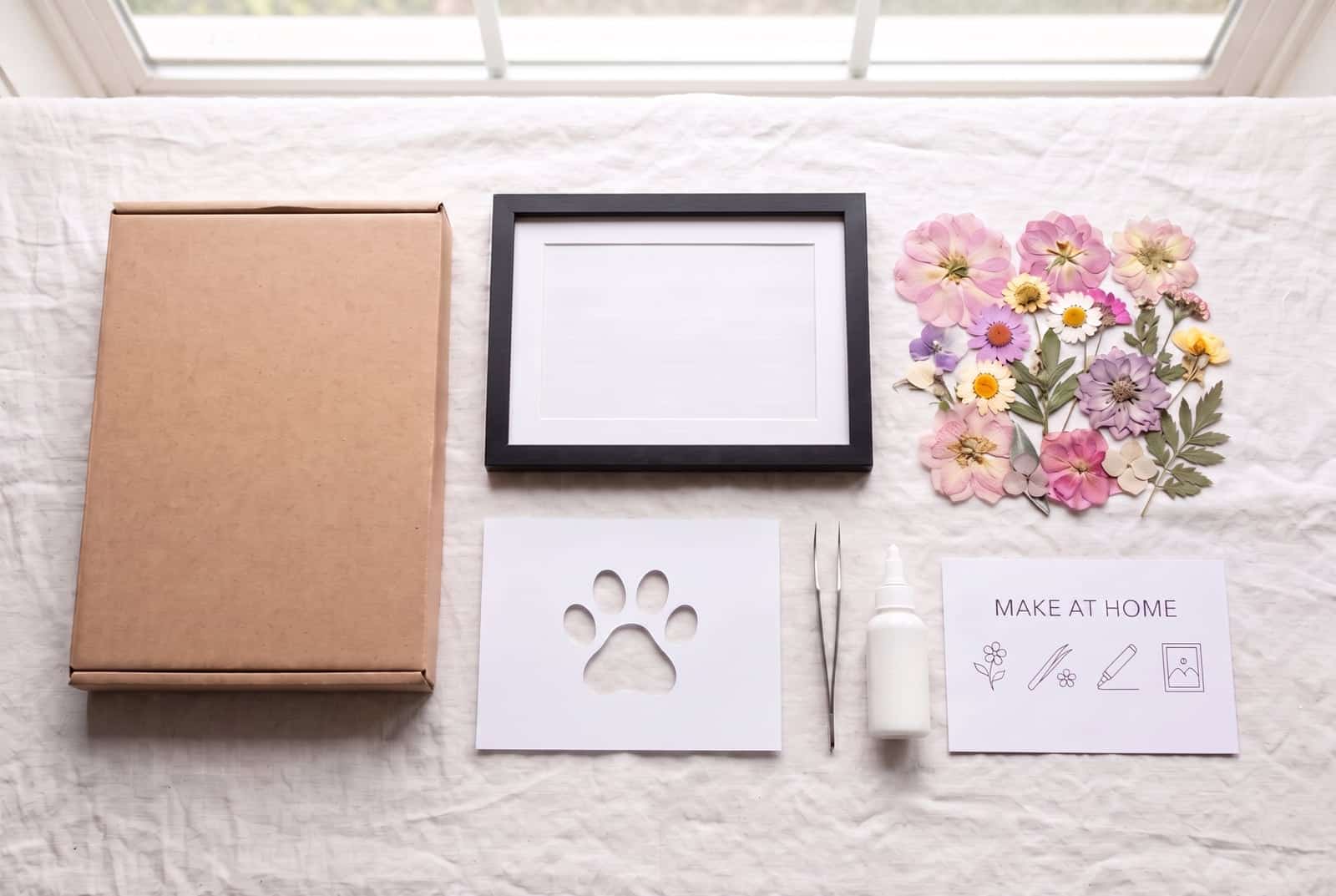
Prefer to skip the growing season entirely? Our pressed flower kits come with the botanicals already pressed, sorted by color, and ready to arrange — frame included, no garden required.
Frequently asked questions
- What is the easiest flower to press?
- Pansies and violas are the easiest flowers to press. They're naturally flat, they face forward, they dry quickly, and they hold their color better than almost anything — which makes them the ideal first flower for a beginner. Larkspur, cosmos, and any fern or leafy greenery are close runners-up.
- Which flowers press the best and keep their color?
- The flowers that press best and keep their color are the naturally thin ones: pansies and violas, larkspur and delphinium (the blues and purples stay vivid), cosmos, and hydrangea florets. Yellows, greens, and whites are the most colorfast overall; deep reds and blues are the most likely to shift over time.
- What flowers should you not press?
- Avoid anything thick, cupped, or full of water: succulents and fleshy plants (they rot before they dry), tulips and lilies (the bulk traps moisture), and whole double roses or peonies. You can still use roses and peonies — just take them apart and press the individual petals rather than the whole bloom.
- How long does it take to press a flower?
- In a traditional press or a heavy book, most thin flowers are fully dry in two to four weeks. Small filler flowers like baby's breath and alyssum can be ready in a day or two, while thicker specimens take longer. A microwave press can do it in minutes, though it takes practice to avoid scorching.